
Digital Feudalism: How Sora 2 Shows AI Isn’t About Art - It’s About Rent
OpenAI launched a free video tool. The result? A gas powered illumination and a hot new take on serfdom.

Somewhere on degrading tape a ginge with a Surrey-via-Glasgow accent belts the Coca-Cola “Always the Real Thing” jingle as his trousers fall ever farther down. Mercifully, the training sets for today’s generative models were spared.
If the idea of a person singing an ad jingle while inadvertently disrobing is amusing, appealing, or even a little arousing, you might be tempted to generate that video with OpenAI’s latest contribution to the compute crisis — Sora 2.
If you aren’t familiar with the first Sora, I don’t blame you. OpenAI launched their video maker a scant nine months ago for ChatGPT Plus and Pro users. Early adopters were treated to Ito-style body horror: indeterminate limbs, insane motion, and uncanny Slendermen writhing in silence.
In a February 2024 preview, OpenAI showed a gold-rush vignette and promised minute-long creations. That promise never materialised; Pro users eventually got ~20-second clips with Sora 1. Fast forward: in September 2025 OpenAI ‘released’ Sora 2 — invite-only, U.S./Canada first, iPhone-locked features— with inverse copyright protection (everything in, opt-out), video and sound, and a supposedly free generation capped by usage limits and paternalistic rules.
In his first Sora 2 update, Sam Altman ranges from the weird to the worrying: lecturing users how to be good renters while inexplicably gushing about an uptick of Japanese content (code for “we see you VPN gooners using kanji and anime to dodge moderation”). The Japan aside is fluff. The rub is elsewhere.
Altman and OpenAI launched a free product with uncapped promises, then within 36 hours complained users were making content “for small audiences.” A product with near-zero discoverability that requires an invite code and North American geolocation to view anything on. Profoundly manipulative.
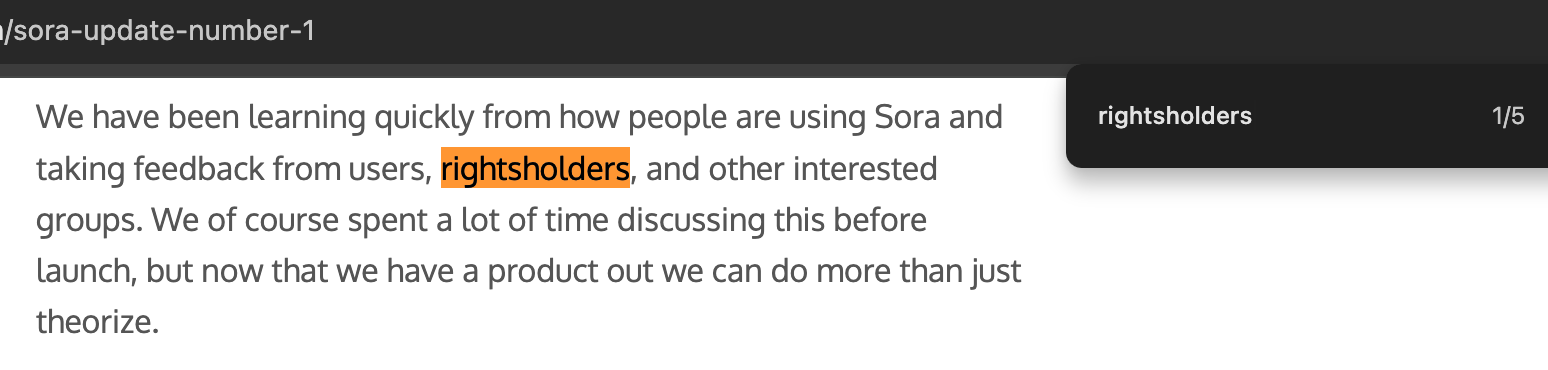
Particularly galling for them was Sora’s zero-guarding on IP. Despite advertising the ability to depict brands and characters freely, OAI acted shocked when people did exactly that — and not always in ways that benefitted the rights holders. Altman five times coined a new word, rightsholder, (which is underlined red by my spellchecker, as it’s legal jargon) and made the core point clear: the problem isn’t that culture is being warped, it’s that the landowner can’t extract rent.
Shout out to Cara Cunningham, maker of viral video Leave Britney Alone, which you can see Sora 2 drawing elements from above in an homage.
One launch feature was Cameo: North American iPhone users could give OpenAI their image and voice — for free — so others could drop them into videos. 2025: inclusion and access, brought to you by Apple Pay (30% factor’s fee).
The old feudal system had a perverse simplicity: one lord, one tax. Digital feudalism is worse. You can occupy multiple overlapping plots and pay a tithe to each lord.
Imagine your fantasy invoice:
$100 — “10 seconds with Cena”
$15 — “Happy Birthday” audio rights
$15 — platform handling fee
$10 — liability insurance
$6 — Vantablack texture license
$4 — data-centre tip (the techs rely on them!)
You click generate and the audio moderator rejects the file because your kid is named after a former lord. “Unlicensed use of the words Will Smith,” it says. No refunds — the resource was rendered, the partners paid, they will keep the crop.
$150 for a bespoke celebrity message. If that sounds familiar, it’s because it’s the business model of a site called Cameo. Yes, irony noted. Cameo is a rival landowner; you can’t exploit its labour because it already owns its land, so you assassinate them and annex it instead.
Anyway — I must dash. Ten likes and subscribes before church, or Father Altman will take more liberties away. The future is getting Gibson-coded. Hack the planet; don’t fight the wrong war.
Astute, yet again. Simultaneously somewhat scary, and alas, penny-pinchingly predictable.
To think, in the days of yore, I once thought the 'internet' was going to save the world.